Category: Sourdough
-

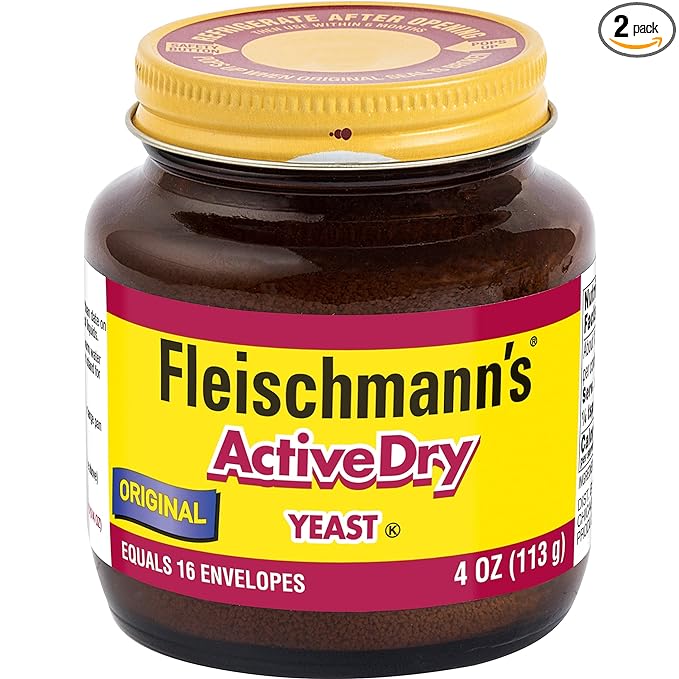
What is the Difference Between Active Dry Yeast and Sourdough?
Active dry yeast and sourdough are both used to make bread rise, but they differ in properties and benefits. Active dry yeast is faster and more predictable, while sourdough has a unique flavor, lower glycemic index, and natural composition. Sourdough’s long fermentation process also aids in nutrient absorption and digestibility.
Written by
·
-

Where and How to Store a Sourdough Starter – Counter or Fridge?
This post discusses the benefits of storing a sourdough starter on the countertop versus in the refrigerator. Keeping it at room temperature allows for frequent feedings and quick production, while refrigeration slows down fermentation for less frequent bakers. Both methods have advantages, so the choice depends on individual baking habits and lifestyle.
Written by
·
-

Maintaining A Sourdough Starter
To maintain a lively sourdough starter, regularly feed it a mixture of flour and water, and store it at a cool room temperature or in the refrigerator. If neglected, revive it with consistent feedings.
Written by
·
-

Creating A Sourdough Starter From Scratch
This post introduces the art of sourdough starter creation, a mix of wild yeasts and bacteria that gives sourdough its unique flavor and rise. The simple process only requires flour, water, and a jar, but demands patience and care. Common issues and tips for nurturing the starter are also discussed.
Written by
·
-

Getting Started with Sourdough
Sourdough bread isn’t just a loaf, it’s a tradition connecting us to bakers and the earth’s rhythms. It starts with a living starter capturing local yeasts and bacteria. For perfect loaves, create a warm, humid environment and be patient during fermentation. With basic tools and practice, embrace the process and enjoy the rewards.
Written by
·