If you’re a bread lover, you might have come across two leavening agents: active dry yeast and sourdough. While both are used to make bread rise, they differ in their properties and benefits. In this article, you’ll learn about the difference between active dry yeast and sourdough, and why sourdough is often considered the better option.
Understanding Yeast
Yeast is a type of fungus that ferments the sugars in the dough, producing carbon dioxide gas that makes the bread rise. Yeast is available in two forms: active dry yeast and instant yeast. Active dry yeast is a dormant form of yeast that needs to be rehydrated in warm water before being added to the dough. Instant yeast, on the other hand, is a more active form of yeast that can be added directly to the dough without any prior activation.
Sourdough Explained
Sourdough, on the other hand, is a natural leavening agent that is made by fermenting a mixture of flour and water over several days. The fermentation process creates a sourdough starter, which is a living culture of wild yeast and bacteria. When added to the dough, the sourdough starter ferments the sugars in the dough, producing carbon dioxide gas that makes the bread rise. Sourdough has been used for thousands of years and is considered a traditional way of making bread.
Comparative Analysis
While both active dry yeast and sourdough can be used to make bread rise, they differ in several ways. Active dry yeast is a more predictable and faster-acting leavening agent, which means that it can produce bread with a consistent texture and flavor in a shorter amount of time. Sourdough, on the other hand, is a slower-acting leavening agent that requires more time and attention, but it produces bread with a unique flavor and texture.
Advantages of Sourdough
Sourdough has several benefits over active dry yeast. For one, sourdough produces bread with a complex and tangy flavor that cannot be replicated by any other leavening agent. Additionally, sourdough has a lower glycemic index than bread made with active dry yeast, which means that it causes a slower and more gradual rise in blood sugar levels. Finally, sourdough is a natural leavening agent that does not require any additives or preservatives, making it a healthier and more sustainable option.
Key Takeaways
- Yeast is a type of fungus that ferments the sugars in the dough, producing carbon dioxide gas that makes the bread rise.
- Sourdough is a natural leavening agent made by fermenting a mixture of flour and water over several days, which produces a sourdough starter that is a living culture of wild yeast and bacteria.
- Sourdough has several benefits over active dry yeast, including a unique flavor, a lower glycemic index, and a natural and additive-free composition.
Understanding Yeast
Definition of Yeast
Yeast is a type of fungus that is widely used in baking and brewing. It is a single-celled organism that consumes sugar and produces carbon dioxide gas and alcohol as byproducts. Yeast is responsible for the leavening or rising of bread dough, making it light and airy.
There are two main types of yeast used in baking: active dry yeast and instant yeast. Active dry yeast is a dormant form of yeast that needs to be rehydrated in warm water before use. Instant yeast, on the other hand, is a more potent form of yeast that can be added directly to the dry ingredients.
Role in Baking
Yeast plays a crucial role in the baking process, as it is responsible for the rise and texture of bread. When yeast is added to dough, it begins to consume the sugar present in the flour, producing carbon dioxide gas as a byproduct. This gas gets trapped in the dough, causing it to expand and rise.
The type of yeast used can affect the flavor, texture, and rise of the bread. Sourdough starter, for example, is a natural leavening agent made from a mixture of flour and water that has been fermented with wild yeast and bacteria. Sourdough bread has a distinct tangy flavor and a chewy texture, thanks to the long fermentation process.
While active dry yeast and instant yeast are convenient and easy to use, sourdough starter offers a number of benefits. Sourdough bread is easier to digest than bread made with commercial yeast, as the long fermentation process breaks down the gluten and other proteins in the flour. Sourdough bread also has a lower glycemic index, meaning it causes a slower and more sustained rise in blood sugar levels. Additionally, sourdough bread has a longer shelf life and can stay fresh for several days without going stale.
Active Dry Yeast
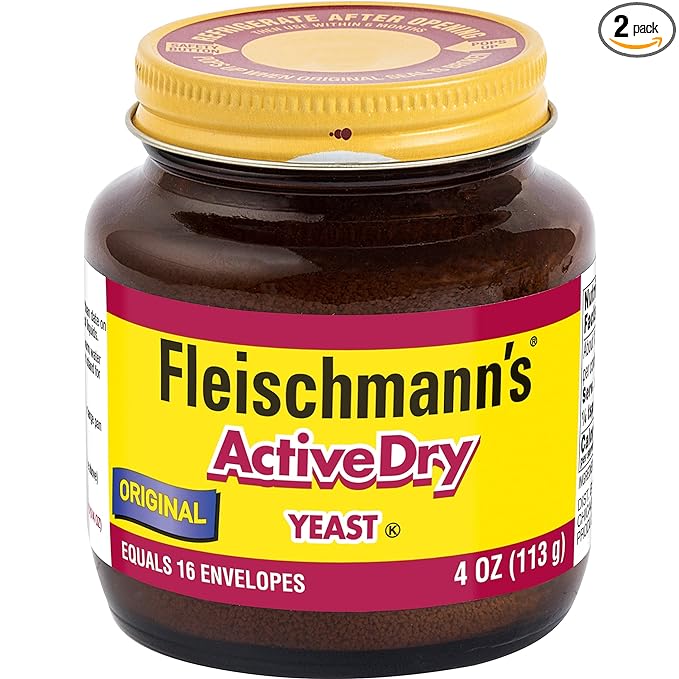
Active dry yeast is a type of yeast that is commonly used in baking. It is a dehydrated form of yeast that is made by removing the water from live yeast cells. This process allows the yeast to be stored for longer periods of time without spoiling.
Production Process
The production process of active dry yeast involves growing yeast cells in a liquid medium, and then harvesting and washing the cells to remove unwanted materials. The cells are then mixed with a drying agent and dehydrated, which removes the water and stops the fermentation process. The resulting product is a fine powder that can be stored for long periods of time.
Characteristics and Usage
Active dry yeast is known for its versatility and ease of use. It is commonly used in recipes for bread, pizza dough, and other baked goods. Unlike sourdough, active dry yeast does not require a fermentation process to create the gas that helps dough rise. Instead, it relies on a chemical reaction between the yeast and sugar to produce carbon dioxide.
When using active dry yeast, it is important to activate it before adding it to your dough. This can be done by mixing the yeast with warm water and a small amount of sugar, and allowing it to sit for a few minutes until it becomes frothy. This step ensures that the yeast is alive and active before it is added to the dough.
Overall, active dry yeast is a reliable and convenient option for home bakers. While it may not have the unique flavor and health benefits of sourdough, it is an excellent choice for recipes that require a quick rise and consistent results.
Sourdough Explained
About Sourdough Starter
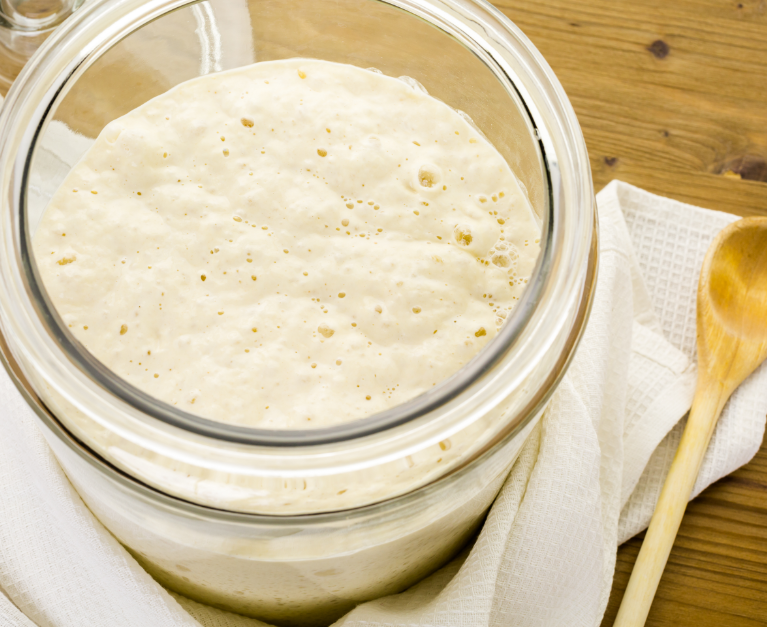
Sourdough culture, also known as sourdough starter, is a mixture of flour and water that is left to ferment over time. It contains wild yeast and lactic acid bacteria that are naturally present in the environment. The mixture is fed with additional flour and water over several days to develop a stable and active culture.
This leavening method is unique because it is a living organism that requires regular feeding and maintenance. It can be used to leaven bread dough, providing a natural rise and complex flavor. The culture can be kept alive for years or even decades with proper care.
Fermentation Process
The fermentation process of sourdough is different from that of commercial yeast. Sourdough fermentation is a slow process that can take several hours or even days. The wild yeast and bacteria in the sourdough culture break down the carbohydrates in the flour, producing carbon dioxide gas and organic acids.
The organic acids produced during sourdough fermentation give the bread its characteristic tangy flavor and aroma. The longer the fermentation process, the more pronounced the sour flavor becomes. This slow fermentation process also allows for better nutrient absorption and easier digestion.
In contrast, commercial yeast is a single strain of yeast that is added to bread dough to provide a quick rise. The fermentation process is much faster and produces a milder flavor. However, commercial yeast is often accompanied by additives and preservatives that can be harmful to health.
Overall, sourdough is a healthier and more flavorful alternative to commercial yeast. The natural fermentation process and absence of additives make sourdough a better choice for those seeking a more wholesome and nutritious bread option.
Comparative Analysis
Flavor Profile
Active dry yeast and sourdough have distinct flavor profiles. Sourdough bread has a tangy, slightly sour taste due to the presence of lactic acid bacteria and wild yeast strains in the starter. On the other hand, bread made with active dry yeast has a milder taste.
Nutritional Content
Sourdough bread is more nutritious than bread made with active dry yeast. The long fermentation process in sourdough bread breaks down the gluten and phytic acid, making it easier to digest and absorb nutrients. Sourdough bread also has a lower glycemic index, which means it doesn’t cause a rapid spike in blood sugar levels.
Baking Outcomes
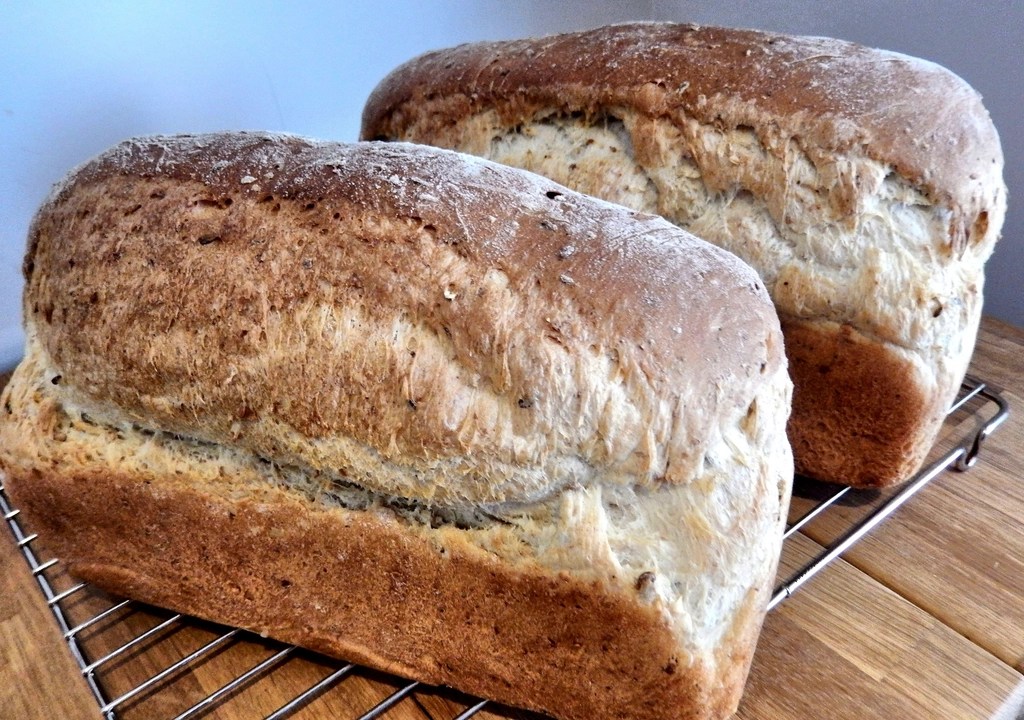
Sourdough and active dry yeast produce different baking outcomes. Sourdough bread has a chewy texture and a crusty exterior, while bread made with active dry yeast has a softer texture and a thinner crust. Sourdough bread also has a more irregular crumb structure with larger air pockets, while bread made with active dry yeast has a more uniform crumb structure.
In summary, sourdough bread has a tangy flavor, is more nutritious, and has a chewy texture with a crusty exterior. Bread made with active dry yeast has a milder flavor, is less nutritious, and has a softer texture with a thinner crust. Ultimately, the choice between sourdough and active dry yeast depends on personal preference and baking goals.
Advantages of Sourdough
Health Benefits
One of the main advantages of sourdough is its potential health benefits. Sourdough bread is a natural source of vitamins and minerals such as magnesium, B vitamins, zinc, and calcium. Additionally, sourdough contains fiber and protein, making it a more nutritious option compared to bread made with commercial yeast.
Furthermore, sourdough contains lactic acid bacteria and yeast, which are beneficial for gut health. These microorganisms can aid in digestion and improve overall gut health. However, it is important to note that the health benefits of sourdough may vary depending on the quality of the ingredients used and the fermentation process.
Digestibility
Sourdough bread is easier to digest compared to bread made with commercial yeast. The long fermentation process involved in making sourdough breaks down complex carbohydrates and gluten, making it easier for the body to digest. This can be especially beneficial for individuals with gluten sensitivities or digestive issues.
Shelf Life
Sourdough bread has a longer shelf life compared to bread made with commercial yeast. The acidity of the sourdough helps to preserve the bread, making it less prone to mold and spoilage. Additionally, sourdough can be frozen for later use without compromising its quality.
Overall, sourdough bread offers several advantages over bread made with commercial yeast. Its potential health benefits, digestibility, and longer shelf life make it a great option for those looking for a healthier and more sustainable bread option.
Frequently Asked Questions
What are the health benefits of using sourdough starter compared to active dry yeast?
Sourdough bread has a lower glycemic index than bread made with commercial yeast, which means it causes a slower rise in blood sugar levels. Additionally, sourdough starter contains lactic acid bacteria that help break down gluten, making it easier to digest for some people. Sourdough bread also has a unique flavor profile and texture that many people find more enjoyable than bread made with commercial yeast.
Can sourdough bread be detrimental to your health in any way?
Sourdough bread is generally considered safe and healthy for most people to consume. However, some individuals with gluten sensitivities or celiac disease may still experience adverse effects from consuming sourdough bread. It is always best to consult with a healthcare professional if you have any concerns or questions about your diet.
What is the correct ratio to use when substituting sourdough starter for yeast in a recipe?
The ratio of sourdough starter to flour can vary depending on the recipe and desired outcome. As a general rule of thumb, you can substitute about 1 cup of sourdough starter for every 1/2 to 2 teaspoons of active dry yeast. However, it is important to note that using sourdough starter may require adjustments to other ingredients and preparation methods.
How does sourdough bread differ from bread made with regular yeast in terms of preparation and taste?
Sourdough bread is made using a sourdough starter, which is a mixture of flour and water that has been allowed to ferment naturally over time. This process gives sourdough bread a unique flavor profile and texture that cannot be replicated with commercial yeast. Additionally, sourdough bread requires a longer fermentation time and often involves more complex preparation methods than bread made with commercial yeast.
Is consuming commercial yeast potentially harmful to your health?
There is no evidence to suggest that consuming commercial yeast is harmful to your health. However, some individuals may experience adverse effects from consuming bread made with commercial yeast due to gluten sensitivities or other dietary concerns. It is always best to consult with a healthcare professional if you have any concerns or questions about your diet.
What are the reasons behind some people’s preference for sourdough over bread made with commercial yeast?
Some people prefer sourdough bread over bread made with commercial yeast because of its unique flavor profile and texture. Additionally, sourdough bread has a lower glycemic index and may be easier to digest for some individuals. Sourdough bread also has a long history and cultural significance in many parts of the world, making it a beloved food for many people.
 Rocky Sink Farm